
The intriguing journey of gambling A historical perspective
The Origins of Gambling
The history of gambling can be traced back to ancient civilizations, where games of chance were a common form of entertainment. Archaeological findings suggest that the Chinese were playing games of chance as early as 2300 BC, using tiles to bet on outcomes. In ancient Rome, gambling was deeply ingrained in society, with dice games being particularly popular among citizens. These early instances of gambling highlight its longstanding presence in human culture. For those interested in modern trends, http://australianfashionweek.com is an excellent resource.

As civilizations evolved, so did gambling practices. The Greeks introduced betting on athletic events, which laid the groundwork for modern sports betting. This early connection between sports and gambling established a tradition that continues to thrive today. The social aspects of gambling were significant, as it often served as a communal activity, fostering connections among participants.
The Rise of Casinos
The formal establishment of casinos began in the 17th century, with the first recognized casino, the Ridotto, opening its doors in Venice, Italy, in 1638. This marked a pivotal moment in gambling history, as the Ridotto provided a regulated environment for gambling activities. As European societies embraced this new form of entertainment, casinos spread across the continent, each featuring unique games and cultural nuances.
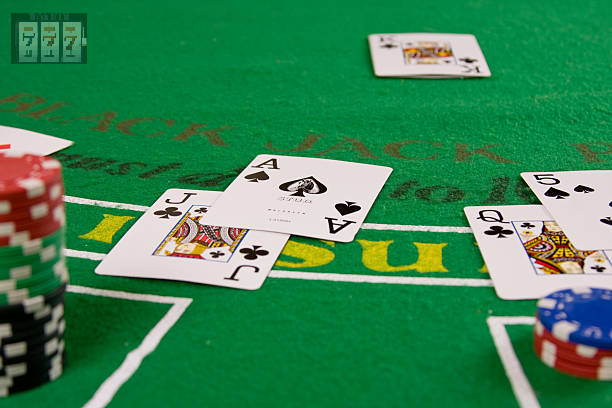
The 19th century saw the emergence of casinos in the United States, particularly in places like New Orleans. The invention of new games, such as poker and blackjack, further fueled the popularity of gambling. The allure of casinos was not only in the games but also in the atmosphere they created—opulent settings filled with music and social interaction drew people in, solidifying gambling as a staple of leisure activity.
The Impact of Legislation
As gambling grew in popularity, so did the need for regulation. Governments began to recognize both the economic potential and the risks associated with gambling. In the early 20th century, many countries enacted prohibitions against gambling, leading to underground gambling activities. This era sparked a complex relationship between gambling and legislation, as authorities grappled with regulating a practice that had both positive and negative societal impacts.
The latter half of the 20th century marked a shift in attitudes towards gambling. Many jurisdictions legalized various forms of gambling, recognizing the potential for revenue generation. This led to the development of state lotteries and the expansion of regulated casinos. The interplay between public perception, legislation, and the gambling industry continues to shape its evolution today.
The Myths and Facts About Gambling
As with any cultural phenomenon, gambling is surrounded by numerous myths and misconceptions. Many believe that gambling is solely about luck, overlooking the strategies and skill involved in various games. This misconception can deter individuals from engaging in informed decision-making when gambling. Understanding the underlying mechanics of games can enhance the experience and increase the chances of success.
Another prevalent myth is that gambling leads to inevitable addiction and financial ruin. While it is true that gambling can pose risks, it is essential to recognize that not everyone who gambles becomes addicted. By promoting responsible gambling practices, individuals can enjoy gambling as a form of entertainment without falling into harmful behaviors. Addressing these myths can help foster a more nuanced understanding of gambling in society.
Connecting Through Gambling Today
In the digital age, the landscape of gambling has transformed dramatically. Online casinos and mobile gaming have made gambling accessible to a broader audience. This shift has created new opportunities and challenges, as players navigate the vast array of options available. The convenience of online gambling allows individuals to engage at their own pace, but it also necessitates discussions around responsible gambling and safety.
Online platforms and communities provide spaces for enthusiasts to connect, share strategies, and discuss experiences. This modern iteration of gambling fosters a sense of community that echoes the social aspects of traditional gambling venues. As technology continues to advance, the journey of gambling will undoubtedly evolve, shaping new trends and practices for future generations.